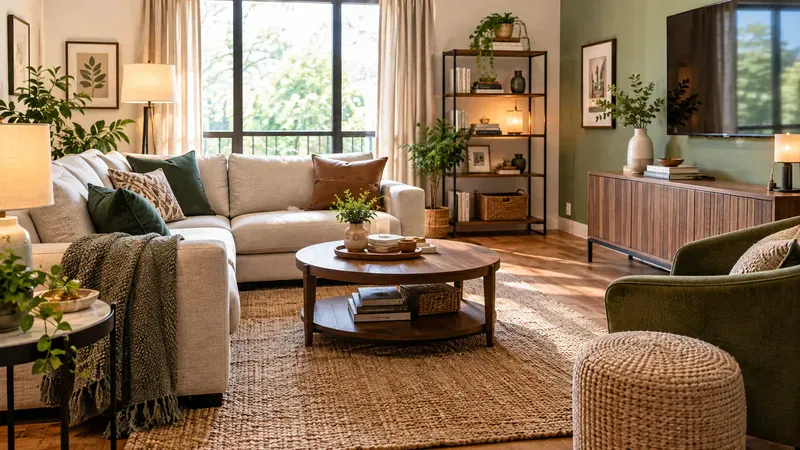
A beautiful home comes from thoughtful design choices, not simply from costly furniture or chasing the latest decorating trends. Good interior design combines comfort, function, color, lighting, texture, and personal taste. A well-designed room should combine visual appeal with the comfort and functionality needed for daily living. Interior Design DesignMode24 offers a useful framework for choosing decor and layout ideas that match your home’s size, function, personal style, and budget. Whether you are refreshing one room or planning a complete makeover, a few well-planned decisions can make a noticeable difference.
Start With How You Use the Space
Before selecting colors or furnishings, consider how the room will be used throughout your daily routine.
A living room used for family movie nights needs different furniture placement than a formal sitting area. Likewise, a home office needs enough workspace, comfortable seating, and useful lighting rather than decoration alone.
Start by measuring the room and identifying doors, windows, walkways, and fixed features. Then decide where the main activities will happen. Arrange the furniture so there is enough open space for comfortable movement and clear walking routes throughout the room.
This functional approach is one of the most important parts of Interior Design DesignMode24 because attractive rooms still need to feel comfortable and practical.
Choose a Color Palette That Connects the Home
Use a cohesive color scheme throughout the home so each room feels connected rather than visually unrelated.
Feel connected.
For example, you could use warm white as a base, natural wood tones as a grounding element, and muted green or blue as an accent. Repeat those colors through cushions, artwork, rugs, curtains, or smaller accessories.
Color theory can also help when selecting combinations. A color wheel provides a useful way to understand relationships between primary, secondary, and complementary colors.
There is no need to stick to rigid color guidelines. Choose shades that create the atmosphere you prefer and complement the amount of natural light in your home.
Make Lighting Part of the Design
Lighting is often treated as an afterthought, but it can influence how furniture, colors, and textures appear.
Create a balanced lighting setup by combining different types of light. General lighting brightens the room, task lights make activities like cooking or reading easier, while accent lights draw attention to decorative features. Artwork or architectural features.
Warm lighting can create a welcoming atmosphere, while dimmers give you more control throughout the day. Interior designers commonly recommend layered lighting because different sources allow a room to serve several purposes.
For example, a living room might combine a ceiling fixture, floor lamp, table lamp, and small accent light. Together, they create a more flexible environment than a single bright overhead bulb.
Mix Textures for More Visual Interest
A room can have a beautiful color palette and still feel flat if every surface has the same texture.
Combine materials such as wood, cotton, wool, glass, metal, stone, or woven fibers. A smooth coffee table can work well beside a textured rug, while linen curtains can soften the appearance of harder surfaces.
Texture is especially useful in neutral interiors. When you use fewer colors, differences in materials and finishes can provide depth without making the room feel busy.
Select Furniture for Scale and Comfort
Choose furniture that suits the room’s proportions, as pieces that are too bulky can crowd a small space, while very small items may leave a larger room looking sparse.
Before purchasing a sofa, bed, dining table, or cabinet, measure both the room and the available access points. Consider whether the furniture can actually enter through the doorway and whether people will still have enough space to move around it.
Proportion matters as much as style. A beautiful chair that is uncomfortable or a coffee table that is too large for the sofa will quickly become a daily frustration.
This practical balance between appearance and usability is central to Interior Design DesignMode24.
Use Trends Without Letting Them Control Your Home
Interior design trends can provide inspiration, but they should not dictate every purchase. Current design coverage has highlighted richer colors, dark wood, natural materials, vintage pieces, and more personalized interiors.
Instead of completely redesigning a room whenever a trend changes, introduce trends through easily replaceable elements such as artwork, cushions, lamps, or accessories.
If a trendy bold shade catches your eye, test it on a feature wall or a single chair first to see how it works before using it throughout the room. This approach gives you flexibility and reduces unnecessary spending.
Bring Nature Indoors
Adding natural touches to your decor can give the room a cozy, welcoming atmosphere while making the space feel more comfortable. Houseplants, wood, stone, woven materials, and natural fabrics can add visual variety while creating a stronger connection with the outdoors.
You can keep this simple. A wooden side table, a few plants, and natural-fiber textiles may be enough to change the character of a room.
Sustainable design also benefits from choosing durable items, buying vintage or second-hand furniture, and considering whether products can be repaired, refinished, reused, or recycled.
Create a Focal Point
Give each room a standout feature that draws the eye and adds character to the overall design.
A living room can center its design around features such as a fireplace, statement artwork, a spacious window, or a distinctive furniture piece. In a bedroom, the bed and headboard can become the visual center.
Once you identify the focal point, arrange supporting elements around it rather than giving every object equal visual importance. This creates a more organized and intentional appearance.
Keep the Design Personal
A well-designed home should showcase the personality, preferences, and lifestyle of the people who call it home.
Family photographs, travel finds, books, artwork, and meaningful objects can give a home character that cannot be achieved by copying a showroom.
Interior Design DesignMode24 should therefore be treated as inspiration rather than a rigid decorating formula. Your home’s design should support your routines and reflect your preferences.
A practical example is a busy family living room. Instead of choosing delicate furniture simply because it looks attractive, select durable upholstery, washable textiles, storage baskets, and tables with useful surfaces. The result can still look sophisticated while working for everyday life.
Final Thoughts
A stylish home does not require a huge budget or constant renovations. Start with the layout, understand how each room will be used, and then build the design through color, lighting, furniture, texture, and accessories.
The strongest Interior Design DesignMode24 ideas focus on creating spaces that are attractive, comfortable, functional, and personal. Choose timeless foundations, add trends carefully, and make practical decisions that will continue to work as your lifestyle changes.
Good design is not about making a home look perfect. It is about making the space feel right for the people who live there. For more information, visit our website.