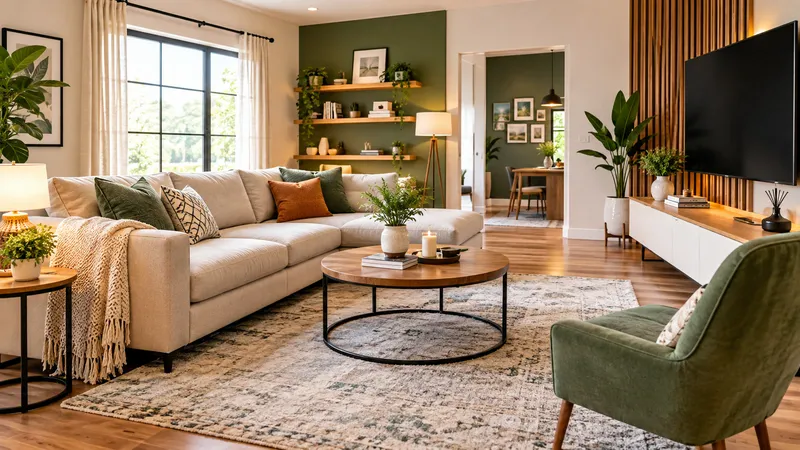
Have you ever walked into a room and instantly felt calmer, more energized, or simply happier without knowing why? That quiet shift often comes from thoughtful interior design. Understanding why interior design is interesting MintPalDecor starts with recognizing that it is far more than arranging furniture or choosing pretty colors. It is a blend of creativity, psychology, problem-solving, and everyday impact that turns ordinary spaces into places that support how people actually live.
Interior design captures attention because it sits at the intersection of art and real life. A well-planned room does not just look good—it works better, feels better, and often helps people function at their best.
It Blends Creativity with Practical Problem-Solving
One of the strongest reasons people find interior design compelling is the constant mix of imagination and practicality. Designers and homeowners alike start with a blank or imperfect space and must solve real constraints: awkward layouts, limited budgets, poor lighting, or storage shortages.
For example, a small living room that feels cramped can transform with a carefully chosen sofa scale, a light-reflecting color palette, and multi-functional furniture. The creative process involves testing ideas, visualizing outcomes, and making decisions that balance beauty with daily use. This problem-solving element keeps the work engaging. Every project presents new challenges, so the process rarely feels repetitive.
Many people discover the appeal when they tackle a single room themselves. Moving a desk closer to a window, adding layered lighting, or creating a dedicated reading nook can produce an immediate sense of accomplishment. The tangible results make the creative effort feel worthwhile.
Design Directly Influences Mood and Well-Being
Research and everyday experience show that the spaces we inhabit affect how we feel and behave. Colors can calm or energize. Natural light supports better sleep and focus. Clutter can raise stress, while orderly, comfortable layouts help the mind settle.
Consider a bedroom painted in soft, muted tones with blackout curtains and soft textiles. Many people report falling asleep more easily in such an environment. In contrast, a brightly lit, cluttered home office can make concentration harder. Designers often use principles from environmental psychology—such as biophilic elements like plants or natural materials—to create spaces that reduce stress and support recovery.
This connection between surroundings and mental state is a major reason why interior design is interesting MintPalDecor. It turns an ordinary room into a tool that can improve daily life rather than just decorate it. Small changes, such as adding a plant near a work area or improving task lighting, often deliver noticeable benefits without a full renovation.
Personal Expression Turns Spaces into Stories
Homes and rooms tell stories about the people who use them. The books on a shelf, the artwork on the walls, the mix of textures, and even the arrangement of furniture reflect values, memories, and preferences.
Interior design becomes interesting when it allows genuine self-expression. A family that loves board games might incorporate a flexible game table and open storage that celebrates that shared activity instead of hiding it. Someone who collects travel souvenirs can create display zones that feel curated rather than cluttered. These personal touches make a space feel authentic rather than staged.
This narrative quality is powerful. When a room reflects the people who live in it, the space feels more supportive and meaningful. Design stops being about following trends and becomes a way to live more intentionally.
The Satisfaction of Visible Transformation
Few creative fields deliver such clear before-and-after results. A dull, underused corner can become a favorite reading spot. A poorly lit kitchen can feel brighter and more inviting after simple lighting and hardware updates. Watching a space evolve creates a sense of progress that many people find deeply satisfying.
This visible change also builds confidence. Homeowners who start with small projects often gain the skills and motivation to tackle larger ones. The process rewards both careful planning and creative risk-taking, which keeps it engaging over time.
Endless Variety Keeps the Field Fresh
Interior design never stays static. Styles evolve, materials improve, and new approaches such as dopamine design (prioritizing joy and personal delight) or emotional zoning (arranging spaces around desired feelings rather than traditional room labels) continue to emerge. At the same time, timeless principles of balance, proportion, light, and function remain relevant.
This combination of change and enduring fundamentals creates ongoing interest. Someone can explore minimalism one year and layered textures the next, or focus on sustainability through reclaimed materials and durable pieces. The field offers room for continuous learning without requiring a complete restart each time.
Practical Ways to Experience the Interest Yourself
You do not need a professional budget or formal training to engage with interior design. Start by observing how existing rooms make you feel. Note which spaces energize you and which drain you. Then make one intentional change: improve lighting in a frequently used room, clear visual clutter from a surface, or introduce a natural element such as wood or plants.
Many people find that following a simple framework helps. Focus first on function—how the space needs to support daily routines—then layer in comfort and personality. Resources that emphasize practical, budget-conscious approaches can make the process more approachable and less overwhelming.
Why This Matters for Everyday Living
At its core, why interior design is interesting MintPalDecor comes down to impact. The spaces where people spend most of their time influence mood, productivity, relationships, and rest. Thoughtful design does not require perfection or expensive finishes. It requires attention to how a room supports the people using it.
When design succeeds, the result feels natural. A living room invites conversation. A bedroom supports rest. A kitchen works efficiently for the household’s actual habits. These outcomes explain the lasting appeal of the field.
Interior design remains interesting because it combines creativity with real human needs. It offers both intellectual challenge and emotional reward. Whether someone approaches it as a professional practice or a personal hobby, the process of shaping space continues to reveal new possibilities.
Exploring why interior design is interesting MintPalDecor ultimately leads to a practical insight: the rooms people inhabit can either hinder or help daily life. Choosing to engage with design, even in small ways, is a meaningful step toward spaces that feel better to live in every day. For more information, visit our website.