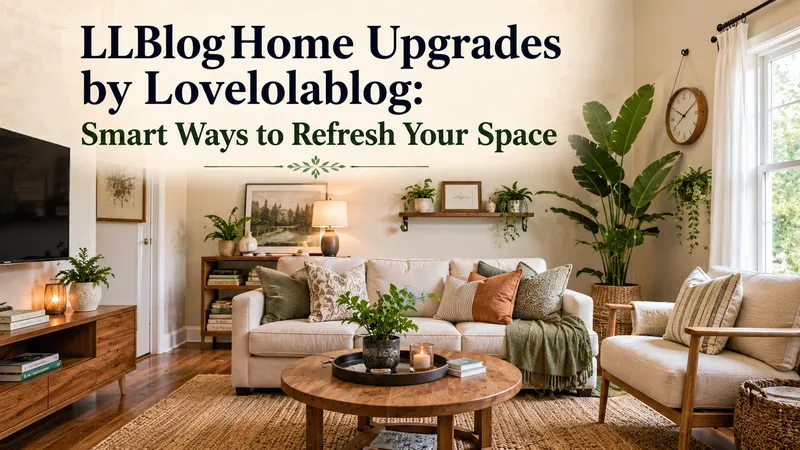
Home improvement does not always require a major renovation. In many cases, a few thoughtful changes can make a room feel more comfortable, useful, and modern without creating a huge bill. That practical idea sits at the heart of LLBlogHome Upgrades by Lovelolablog, a collection of home improvement ideas focused on making everyday spaces work better.
Search results around this topic commonly highlight affordable updates such as painting, changing hardware, improving lighting, adding storage, refreshing rooms, and making smarter use of existing furniture. The real value comes from choosing upgrades based on how you actually use your home rather than copying a picture from social media.
Start With Function Before Style
One of the easiest mistakes in home improvement is buying attractive things before identifying what the room actually needs.
Walk through your home and pay attention to small frustrations. Maybe the entryway becomes cluttered with shoes and bags. Perhaps the kitchen lacks useful counter space, or the bedroom feels dark at night. These problems give you a starting point.
The best LLBlogHome Upgrades by Lovelolablog approach is to solve the everyday problem first and then improve the appearance.
For example, adding hooks near the entrance may do more for your daily routine than buying another decorative item. Similarly, a shelf in an unused corner can create useful storage while making the room look more organized.
Refresh Walls With Paint
Paint remains one of the simplest ways to change the character of a room.
You do not necessarily need to repaint every wall. An accent wall, freshly painted door, or updated trim can create a noticeable difference with less time and material.
Before buying paint, test samples under both daylight and artificial light. A color that looks warm in a store can appear very different in a north-facing room.
For smaller rooms, lighter colors can help create a brighter visual feel. In larger spaces, deeper shades can add warmth and create a stronger focal point.
The important lesson is to choose a color based on the room’s lighting, furniture, and purpose—not simply because it is trending.
Upgrade Lighting for a Bigger Impact
Lighting often receives less attention than furniture, yet it can dramatically change how a home feels.
Start by looking at the types of lighting you already have. A room that relies on one ceiling fixture may feel flat or harsh. Adding a floor lamp, table lamp, wall light, or under-cabinet lighting can create different layers of illumination.
In a kitchen, under-cabinet lighting can make food preparation easier while adding a warmer atmosphere in the evening. In a living room, combining overhead lighting with lamps gives you more control over the mood.
These practical improvements fit naturally with LLBlogHome Upgrades by Lovelolablog because they improve both appearance and everyday usability.
Give the Kitchen Small, Smart Updates
A kitchen makeover does not automatically mean replacing cabinets and countertops.
Start with the parts you interact with every day. Replacing worn cabinet handles, updating a faucet, adding better lighting, or organizing crowded drawers can make the space feel noticeably different.
For example, if your cabinets remain structurally sound, new pulls may give them a refreshed appearance at a fraction of the cost of replacement.
You can also improve storage by using drawer dividers, vertical organizers, shelf risers, or pull-out solutions. The goal should be simple: make frequently used items easier to reach and reduce wasted space.
Make the Living Room More Comfortable
The living room should support the way your household actually spends time there.
Instead of immediately buying new furniture, try changing the layout. Move seating away from walls when the room allows it, create a clear conversation area, and keep pathways open.
A rug can help visually define a seating zone, while cushions and throws can introduce texture without requiring a major investment.
Another useful upgrade is reducing visual clutter. Removing unused decorations can sometimes make a room look more polished than adding new ones.
Improve the Bedroom With Comfort in Mind
A bedroom upgrade should focus on rest and convenience.
Start with the bed because it usually dominates the room. Comfortable bedding, suitable pillows, and practical bedside lighting can improve the experience without changing the entire design.
Storage also matters. A small bench with hidden storage, under-bed containers, or a well-organized closet can reduce clutter. For more details, visit our domain.
If the room feels plain, consider one focal point rather than decorating every wall. A textured headboard, artwork, or carefully chosen accent wall can provide enough personality without making the space feel crowded.
Do Not Ignore the Bathroom
Bathrooms often benefit from relatively small changes.
Replacing old towel bars, cabinet hardware, mirrors, or lighting can create a cleaner appearance. Replacing damaged caulk and refreshing grout can also make the space look better, although these tasks require careful preparation.
For storage, floating shelves can make use of vertical wall space. Keep everyday products within easy reach and move less-used items into closed storage.
These are practical examples of LLBlogHome Upgrades by Lovelolablog because they focus on noticeable improvements without requiring a complete bathroom remodel.
Consider Energy and Long-Term Value
A good upgrade should not only look better today. It should also make sense over time.
Energy-efficient lighting is one straightforward example. LED bulbs generally use less energy and last longer than traditional incandescent bulbs. Weatherstripping around doors and windows can also help reduce drafts and improve comfort when installed correctly.
For larger projects, think carefully about cost, expected lifespan, maintenance, and whether professional installation is necessary.
Not every expensive improvement creates equal value. Sometimes the smartest decision is repairing something that still works rather than replacing it simply for a newer appearance.
Set a Budget Before You Shop
Budget control can prevent a simple project from becoming an expensive one.
Create three categories: must-have, useful, and optional. Complete the must-have improvements first. If money remains, move to the next category.
A mood board can also help prevent impulse purchases. Collect paint colors, furniture ideas, fixtures, and materials before shopping. If an item does not fit the plan, leave it out.
This practical planning style is another reason LLBlogHome Upgrades by Lovelolablog can be useful as an inspiration point: the strongest upgrades are not necessarily the most expensive ones.
Final Thoughts
The best home improvements make daily life easier while giving your space a stronger sense of personality. You do not need to renovate every room at once.
Start with one problem, choose one realistic improvement, and evaluate the result before moving to the next project. Paint a tired wall, improve a dark corner, organize an overcrowded cabinet, replace worn hardware, or create better entryway storage.
Ultimately, LLBlogHome Upgrades by Lovelolablog is best understood as an approach to practical home improvement: focus on function, make thoughtful design choices, control your budget, and let small improvements build toward a home that feels more comfortable and personal. For more information, visit our website.