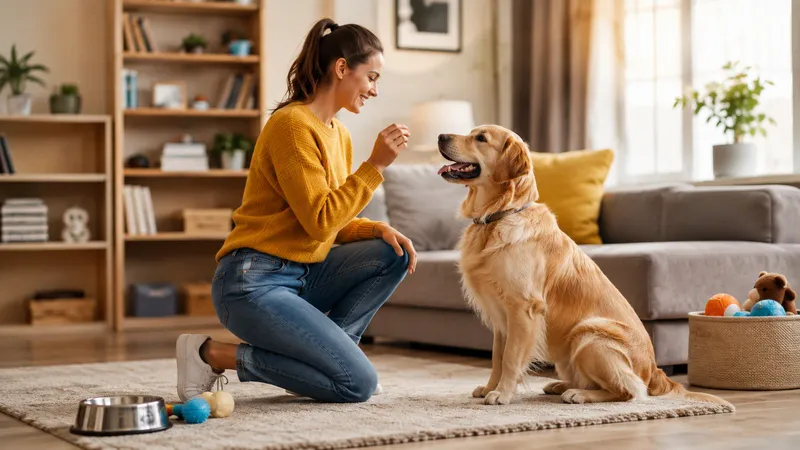
Taking care of a dog is about much more than filling a food bowl and taking your pet outside once a day. Dogs need balanced nutrition, regular exercise, preventive healthcare, mental stimulation, training, grooming, and plenty of positive interaction with their families. That is why LLBlogPet Advice for Dogs by Lovelolablog can be approached as a practical starting point for understanding the everyday responsibilities that come with dog ownership. Whether you have just brought home a puppy or have lived with dogs for years, small changes in your daily routine can make a meaningful difference to your pet’s comfort and long-term well-being.
The best dog-care routine is not necessarily complicated. It is consistent, suited to the individual dog, and supported by appropriate veterinary advice. Below are some of the most useful areas to focus on.
1. Start With the Basics of Responsible Dog Care
Every dog needs a few essentials: nutritious food, clean water, safe shelter, exercise, veterinary care, grooming, training, and companionship.
However, dogs are individuals. A young Labrador may need a very different exercise routine from an older Chihuahua. A highly active working breed may need more physical and mental stimulation than a companion dog that spends most of the day relaxing.
A useful approach is to think about your dog’s needs in five categories:
- Physical health: food, water, exercise, vaccinations, parasite prevention, and veterinary checks
- Mental health: play, training, exploration, and enrichment
- Hygiene: brushing, bathing when appropriate, nail care, and dental care
- Safety: identification, secure outdoor areas, and awareness of household hazards
- Social needs: positive interaction with people and appropriate animals
This broader view makes LLBlogPet Advice for Dogs by Lovelolablog more useful as a concept because good pet care should cover the whole dog rather than focus on one isolated issue.
2. Feed a Complete and Balanced Diet
Nutrition is one of the first areas new dog owners think about, but choosing food can quickly become confusing. Shelves are filled with products making different claims about ingredients, health benefits, age groups, and breed types.
Instead of choosing food because of attractive packaging or social media recommendations, consider whether it is appropriate for your dog’s life stage, size, health needs, and activity level.
Puppies have different nutritional requirements from adult and senior dogs. Likewise, a dog with a medical condition may require a diet recommended by a veterinarian.
Portion size matters, too. Feeding too much can gradually lead to excess weight even when the food itself is nutritionally appropriate.
A practical feeding routine
Try measuring your dog’s daily food rather than repeatedly topping up the bowl. Keep treats in mind when considering total daily calories.
For example, if your dog receives several treats during training, those treats should not become an unnoticed addition to an already generous meal plan.
Fresh water should also remain available. Wash food and water bowls regularly to keep them clean.
If you want to change your dog’s food, avoid making a sudden switch unless a veterinarian tells you otherwise. A gradual transition can make the change easier for many dogs.
3. Make Exercise Part of Everyday Life
Exercise helps dogs maintain fitness, but a walk should not be viewed simply as a way to make your dog tired.
Walking gives dogs opportunities to explore smells, observe their surroundings, practice leash manners, and experience new environments. For many dogs, these mental experiences are just as valuable as physical movement.
The right amount of exercise depends on age, breed, health, temperament, weather, and fitness level.
A young energetic dog may enjoy longer walks and interactive games, while a senior dog may benefit more from several shorter outings.
Try mixing activities
Instead of repeating exactly the same walk every day, consider rotating activities such as:
- Short neighborhood walks
- Gentle games of fetch
- Sniffing games
- Obedience practice
- Puzzle feeders
- Supervised outdoor exploration
- Indoor games during extreme weather
Watch your dog’s behavior. Excessive panting, reluctance to continue, limping, weakness, or unusual fatigue can mean the activity is too demanding or that something else needs attention.
4. Don’t Ignore Mental Stimulation
A dog can receive plenty of physical exercise and still become bored.
Mental stimulation encourages dogs to think, investigate, and use natural behaviors in appropriate ways. It can be especially helpful for dogs that spend long periods indoors.
You do not need expensive equipment. Hide a few pieces of your dog’s normal food around a safe room and encourage them to find it. Practice basic commands for a few minutes. Rotate toys instead of leaving every toy available all day.
Training itself can become enrichment.
Teaching “sit,” “stay,” “come,” “leave it,” and polite leash behavior gives your dog something to think about while strengthening communication between you.
5. Keep Training Positive and Consistent
Training works best when your dog understands what behavior earns a reward.
Suppose your dog jumps on visitors. Pushing the dog away may accidentally turn the behavior into a game. Instead, you can teach an alternative such as sitting calmly before receiving attention.
Reward the behavior you want to see.
Consistency matters because dogs learn from repeated experiences. If jumping is allowed sometimes but punished at other times, your dog may struggle to understand the rule.
Short sessions often work better than exhausting your dog with one long lesson.
A simple training example
You can practice recall in a secure area by calling your dog in a cheerful voice. When the dog comes to you, offer praise or an appropriate reward.
Gradually increase distractions as your dog’s response improves.
For serious aggression, severe anxiety, or other challenging behavior, consult a veterinarian or qualified behavior professional rather than relying solely on online advice.
6. Stay Current With Veterinary Care
Preventive healthcare is one of the most important parts of responsible ownership.
Regular veterinary examinations can help identify problems before they become obvious. Veterinary preventive-care guidance includes areas such as physical examinations, nutrition, weight management, dental care, vaccination, parasite control, and behavioral health.
Do not wait until your dog looks seriously ill before seeking professional advice.
Changes such as reduced appetite, persistent coughing, repeated vomiting, diarrhea, unusual thirst, difficulty walking, sudden behavior changes, or unexplained weight loss deserve attention.
The exact frequency of veterinary visits depends on your dog’s age, health, and individual risk factors.
7. Keep Vaccinations Up to Date
Vaccination protects dogs against several serious infectious diseases. Core vaccines are recommended broadly, while additional vaccines may depend on lifestyle, location, exposure risk, and other factors. AAHA’s canine vaccination guidance emphasizes tailoring recommendations to the individual dog.
For example, a dog that frequently boards, attends group activities, travels, or spends time around wildlife may have different risk factors from a dog that rarely leaves home.
Do not copy another dog’s vaccination schedule without professional guidance. Your veterinarian can recommend a schedule based on your dog’s age and circumstances.
8. Take Parasite Prevention Seriously
Fleas and ticks are not merely annoying. Parasites can cause skin problems and transmit disease. Heartworms and intestinal parasites can also create serious health risks.
AAHA recommends discussing year-round parasite prevention with a veterinarian because the appropriate product depends on factors such as age, lifestyle, health, and regional risks.
A simple habit can help: put parasite-prevention dates on your calendar.
If a treatment is given monthly, a recurring reminder reduces the chance of forgetting it.
Never assume that a product designed for another animal is safe for your dog. Ask your veterinarian before using unfamiliar parasite treatments.
9. Look After Your Dog’s Teeth
Dental care is often overlooked until bad breath or visible problems appear.
Regular brushing with products designed for dogs can help support oral hygiene. Your veterinarian can also check your dog’s teeth and gums during routine examinations and determine whether professional dental treatment is needed.
Pay attention to signs such as:
- Persistent bad breath
- Difficulty chewing
- Dropping food
- Excessive drooling
- Swollen or bleeding gums
- Reluctance to eat hard food
- Pawing at the mouth
Dental disease is common in dogs, and routine preventive care can help identify problems earlier.
10. Grooming Is About More Than Appearance
Grooming helps your dog look clean, but it also gives you an opportunity to notice changes on the body.
During brushing, check for unusual lumps, irritated skin, parasites, wounds, or areas that seem painful.
Dogs with long or dense coats may need more frequent brushing to prevent mats. Dogs with short coats still benefit from regular grooming.
Nails also need attention. Overgrown nails can affect the way a dog walks and may become uncomfortable.
Bathing should depend on your dog’s coat, lifestyle, and skin condition. Excessive bathing with unsuitable products can irritate the skin, so use dog-specific grooming products and ask your veterinarian about special skin concerns.
11. Build a Safe Home Environment
Dogs investigate the world with their mouths and noses, so household safety deserves serious attention.
Keep potentially harmful substances out of reach. Store medications, cleaning products, chemicals, and unsafe foods securely.
Also consider objects that may look harmless but could become choking hazards.
Your dog’s outdoor environment should be secure. Check fences and gates regularly, especially if your dog is an escape artist.
Identification matters as well. A microchip can help identify a lost dog, but your contact information must remain current. AAHA recommends microchipping pets and keeping registration information updated.
A collar with current identification information provides another useful layer of protection.
12. Give Your Dog a Comfortable Place to Rest
Dogs need downtime.
A comfortable bed or quiet resting area gives your pet somewhere to retreat when they want peace. This can be particularly important in busy homes with children or several animals.
Teach family members to respect the dog’s resting space. A dog that is sleeping or eating should not be disturbed unnecessarily.
Puppies may sleep for much of the day, while older dogs may also need additional rest.
A healthy routine balances activity with recovery.
13. Socialization Should Be Positive
Socialization does not mean forcing a dog to greet every person or animal.
Instead, it means helping the dog become comfortable with different sights, sounds, surfaces, people, environments, and everyday experiences.
For a puppy, this can include calmly experiencing household noises, car rides, visitors, different flooring, grooming routines, and safe outdoor environments.
Watch body language. If your dog looks frightened, hiding or trying to escape, give them more distance and time rather than forcing the interaction.
Positive experiences build confidence more effectively than overwhelming a nervous dog.
14. Learn Your Dog’s Normal Behavior
One of the most practical pieces of LLBlogPet Advice for Dogs by Lovelolablog is to pay attention to what is normal for your individual pet.
You know how your dog usually eats, sleeps, plays, walks, and interacts with you.
That baseline can make changes easier to notice.
For example, a dog that normally races toward the food bowl but suddenly refuses meals may be telling you something has changed. Similarly, an unusually quiet dog, a sudden change in bathroom habits, or reluctance to climb stairs can deserve attention.
You do not need to diagnose the problem yourself. Your job is to notice the change and communicate it clearly to your veterinarian.
15. Adjust Care as Your Dog Ages
A puppy, adult dog, and senior dog should not receive exactly the same care.
Puppies need appropriate nutrition, vaccination, socialization, training, and safe exploration. Adult dogs generally need regular exercise, preventive healthcare, dental care, and weight management.
Senior dogs may need more frequent monitoring and adjustments to exercise, nutrition, and home comfort.
An older dog that once handled long hikes easily may benefit from shorter walks with more rest. A veterinarian can help determine whether reduced activity is simply age-related or connected to a health problem.
Preventive care is most effective when it changes with the dog’s life stage.
A Simple Daily Dog-Care Checklist
For busy owners, a basic checklist can make responsible care easier.
Morning
- Provide fresh water
- Feed the appropriate meal
- Take your dog outside
- Check general behavior and energy
During the day
- Provide mental stimulation
- Practice a few minutes of training
- Offer appropriate play
- Give your dog a comfortable place to rest
Evening
- Provide exercise suited to your dog’s condition
- Check paws and coat after outdoor activities
- Feed the scheduled meal
- Give calm attention and companionship
Weekly or regularly
- Brush the coat as needed
- Check nails
- Look at the ears, eyes, skin, and mouth
- Review parasite-prevention dates
- Clean bedding, bowls, and toys
This simple routine can prevent small responsibilities from being forgotten.
Common Dog-Care Mistakes to Avoid
Even caring owners can make mistakes. Some of the most common include:
Feeding too many treats
Treats can add more calories than owners realize. Use small rewards during training and keep portions appropriate.
Exercising every dog the same way
Breed, age, fitness, weather, and health all matter. More exercise is not automatically better.
Ignoring dental care
Waiting for obvious dental problems can mean missing an opportunity for earlier intervention.
Relying on internet searches for diagnosis
Online information can help you understand a topic, but it cannot replace an examination by a veterinarian.
Forgetting preventive treatments
A missed parasite-prevention dose or overdue vaccination can create avoidable risk.
Treating behavior as disobedience
Fear, pain, anxiety, boredom, or confusion can contribute to behavior changes. A sudden behavior problem deserves thoughtful investigation rather than automatic punishment.
How to Make Dog Care Easier for the Whole Family
The easiest routine is one that everyone can follow.
Create a simple schedule for feeding, walking, medication, grooming, and veterinary appointments. If several people care for the dog, make sure everyone knows the rules.
For example, if one family member allows the dog on the sofa while another does not, the dog receives mixed signals.
Consistency reduces confusion.
It also helps to keep important information in one place, including vaccination records, veterinary contact details, medication instructions, food information, and emergency contacts.
Final Thoughts
Good dog ownership comes down to consistency, observation, prevention, and patience. Food and exercise matter, but so do dental care, parasite protection, training, socialization, mental stimulation, safety, and regular veterinary attention.
The most useful LLBlogPet Advice for Dogs by Lovelolablog should therefore be viewed as part of a bigger picture: every dog deserves care that matches its age, lifestyle, health, personality, and individual needs.
You do not have to transform your entire routine overnight. Start with the basics. Measure food, provide fresh water, schedule appropriate exercise, practice positive training, keep preventive care current, and pay attention to changes in behavior.
Most importantly, remember that general dog-care advice has limits. When your dog develops a health problem, experiences a sudden behavior change, or needs a personalized preventive-care plan, your veterinarian should be your first source of professional guidance. For more information, visit our website.